
Nobody Wants Your Branded Polo: A Corporate Holiday Gifts Guide
September 23, 2026
Holiday gifting for clients, employees, and partners differs from year-round branded merchandise — and blurring the two can undermine both. This blog post helps you navigate the difference between using merch for gifting vs using merch for branding.
Every December, a familiar package lands in office mailrooms across North America: a polo shirt with an embroidered company logo on the chest, sized generically, and likely destined for a donation bin by January.
At Fairware, we’ve spent two decades building custom merchandise programs for purpose-driven organizations, and one pattern hasn’t changed: branded merchandise and genuine gifting are fundamentally different disciplines. Treating them as the same is a common way holiday gifting programs can fail.
A Branded Polo Doesn’t Make a Great Christmas Gift
Merchandise wants to be seen. A gift wants to be kept. Confuse those two goals, and you end up with a corporate polo shirt under the tree — technically a gift, functionally a marketing impression nobody asked for over the holidays.
Key Takeaways
- A holiday gift and a piece of branded merchandise serve different purposes — visibility versus relationship — and strong programs never confuse the two.
- The logo tax: the more visible your logo, the less personal a gift feels. On real gifts, keep branding subtle or absent entirely.
- Clients, employees, and partners each call for a different gifting logic. One strategy applied to all three usually under-serves everyone.
- Locally sourced goods from social enterprises, high-end housewares, games, and charitable donations consistently get kept or are appreciated — logoed items don’t (unless they’re less about the brand and more about the recipient).
- Branded merchandise still has a place at the holiday party. A team activation is a visibility moment, not a take-home gift.
- Treat any multi-item gift as a curated kit, not a bundle of leftover inventory.
What’s the Real Difference Between Branded Merchandise and Corporate Gifts?
Branded merchandise is a marketing tool measured in impressions; a corporate gift is a relationship tool measured in whether someone keeps it. That’s the whole distinction, and most gifting mistakes trace back to forgetting this distinction.
We call the cost of ignoring this the logo tax: every unit of visible branding added to an item quietly reduces how personal — and therefore how valuable — it feels as a gift. A logo earns its place when the audience has opted into representing the brand: trade show staff, a new hire’s welcome kit, a team activation, a gift for that new client you signed. It works against you when the audience is receiving something meant to say, “we see you,” not “we sponsored you.” A holiday gift to a client, employee, or partner is almost always the second case.
Brand doesn’t have to disappear entirely — the sourcing story (supply chain transparency, responsible sourcing, a specific certification) does more relationship-building than a logo ever will, because it signals values instead of ownership.
Should Clients, Employees, and Partners Be Gifted the Same Way?
No. Each relationship runs on a different gifting logic, and the strongest programs we see treat clients, employees, and partners as three separate exercises, rather than one gift order split three ways.
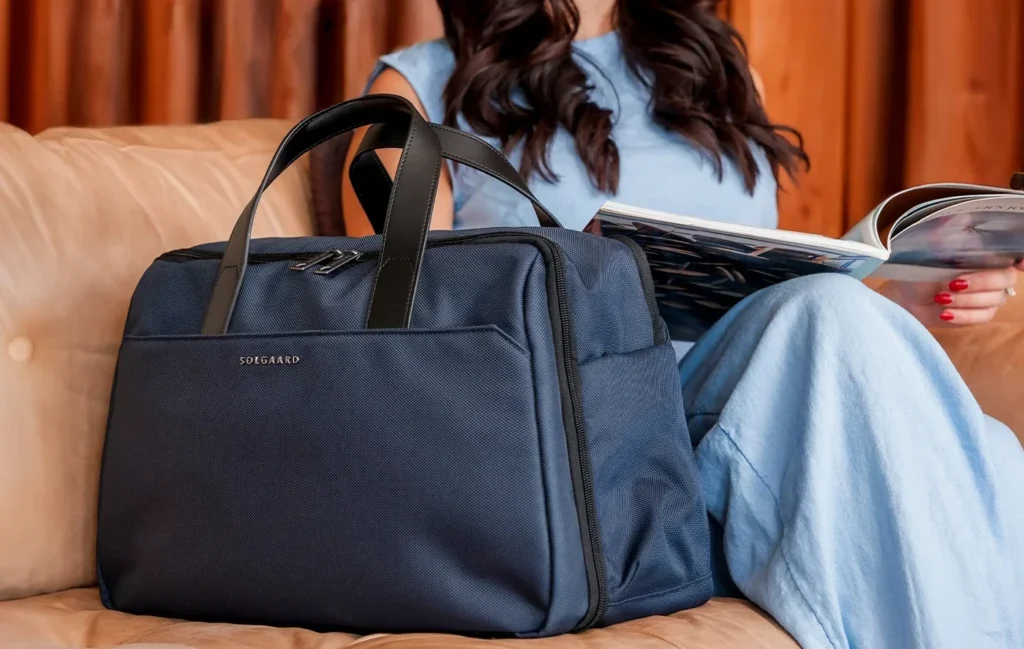
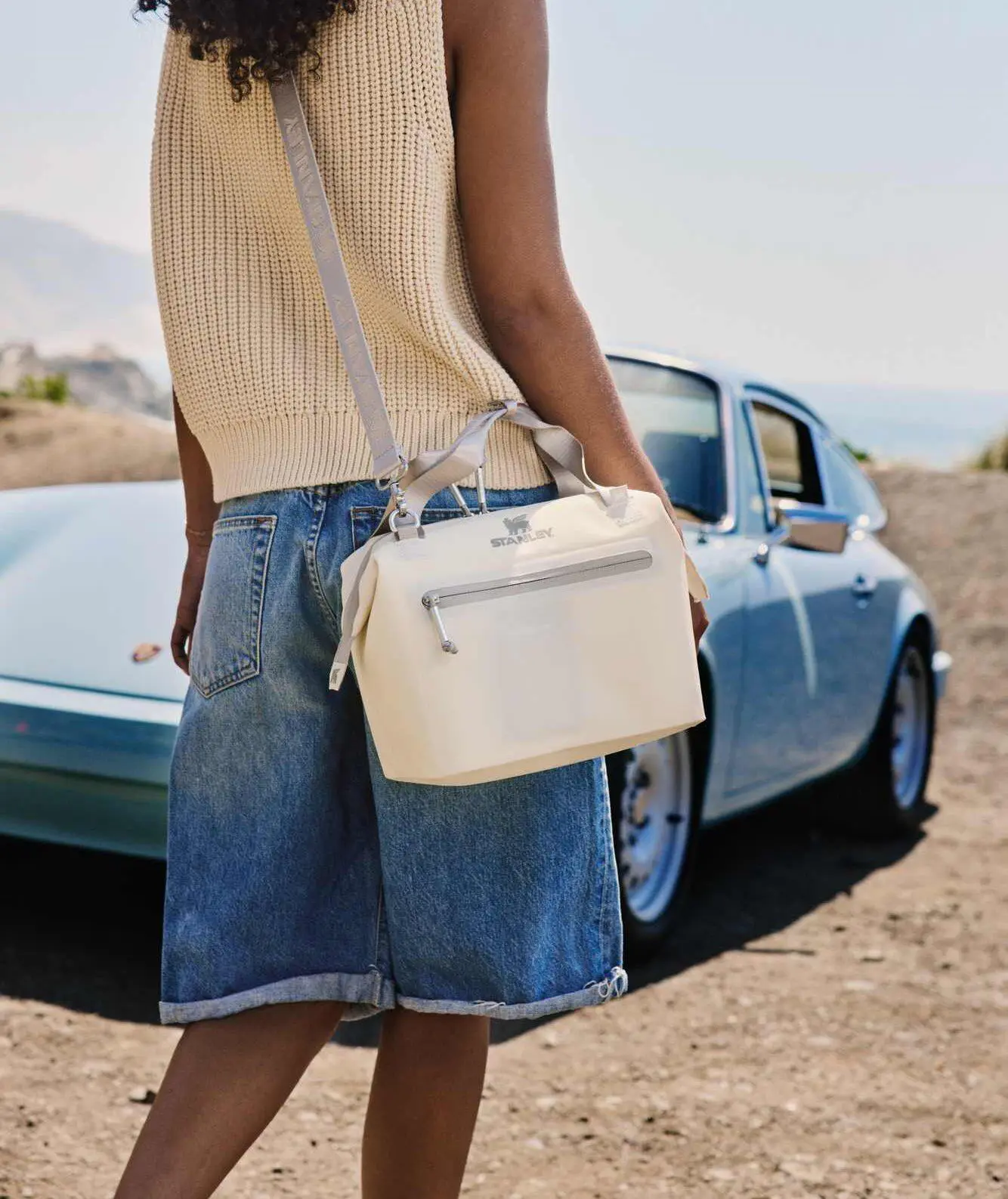
- Clients. This is an external, often commercially sensitive relationship — the gift needs to be read as thoughtful, not transactional. Keep any logo near-invisible and lean toward something that reflects shared values: a locally sourced item from a social enterprise, or a well-made functional piece the recipient would buy for themselves. Nothing that reads as “here’s our marketing line item. One of our go-to corporate gift ideas for clients: a couple of bags of locally roasted coffee with a high-end travel mug (think Miir, Hydroflask or Stanley), and make the logo hit subtle or high end.
- Employees. This is an internal culture signal, and it tolerates more personalization, not less. A note from a manager, a choice between two or three options, or the ability to redirect a gift budget to a cause, all outperform a one-size-fits-all box. Gift Ideas: A subtlety branded blanket, a good board game, or a locally made treat.
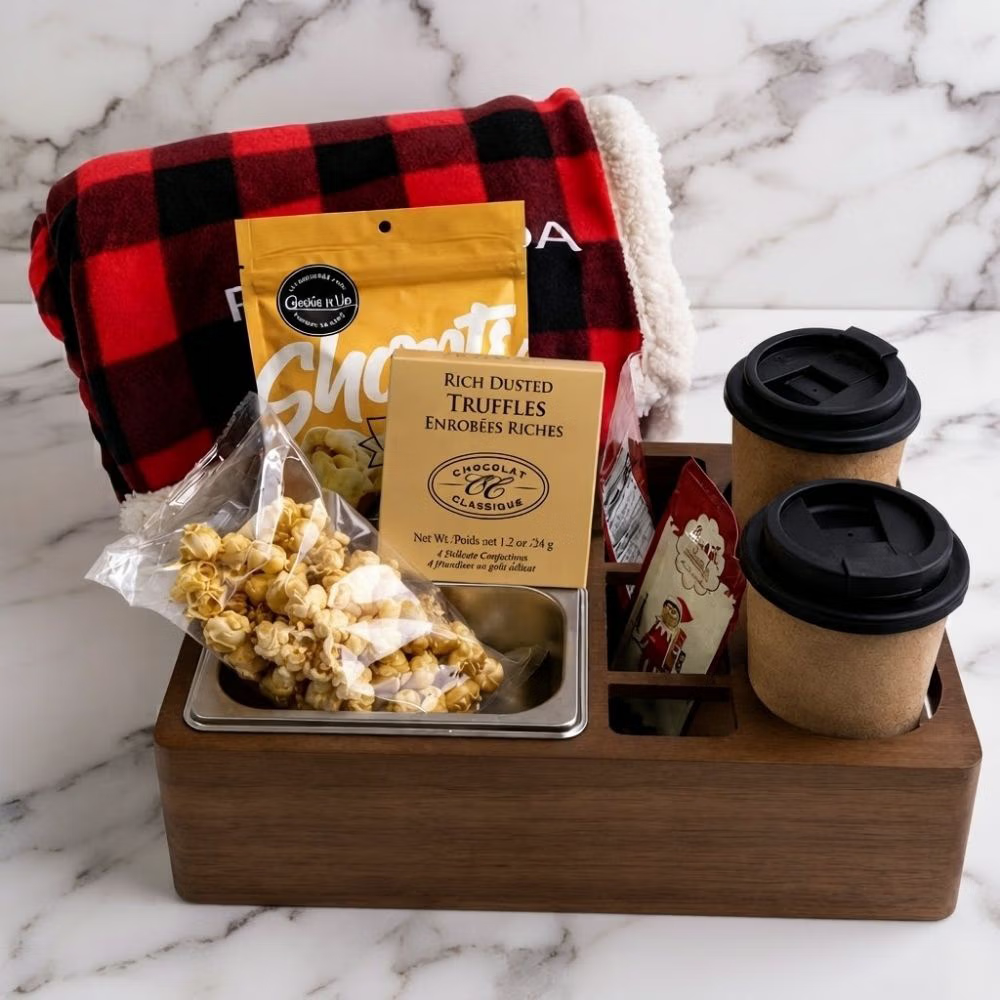
- Partners and vendors. Similar posture to clients, but a shared milestone or genuine collaboration can justify a bit more brand presence – or none at all. Suppliers and partners are often the forgotten part of the holiday season – but they are often the ones helping you drive your business, acknowledging that is an investment in the relationship. Gift Idea: A food basket for the whole team to share to celebrate working together and get your full team to sign the card.

What Does a Genuinely Well-Chosen Holiday Gift Look Like?
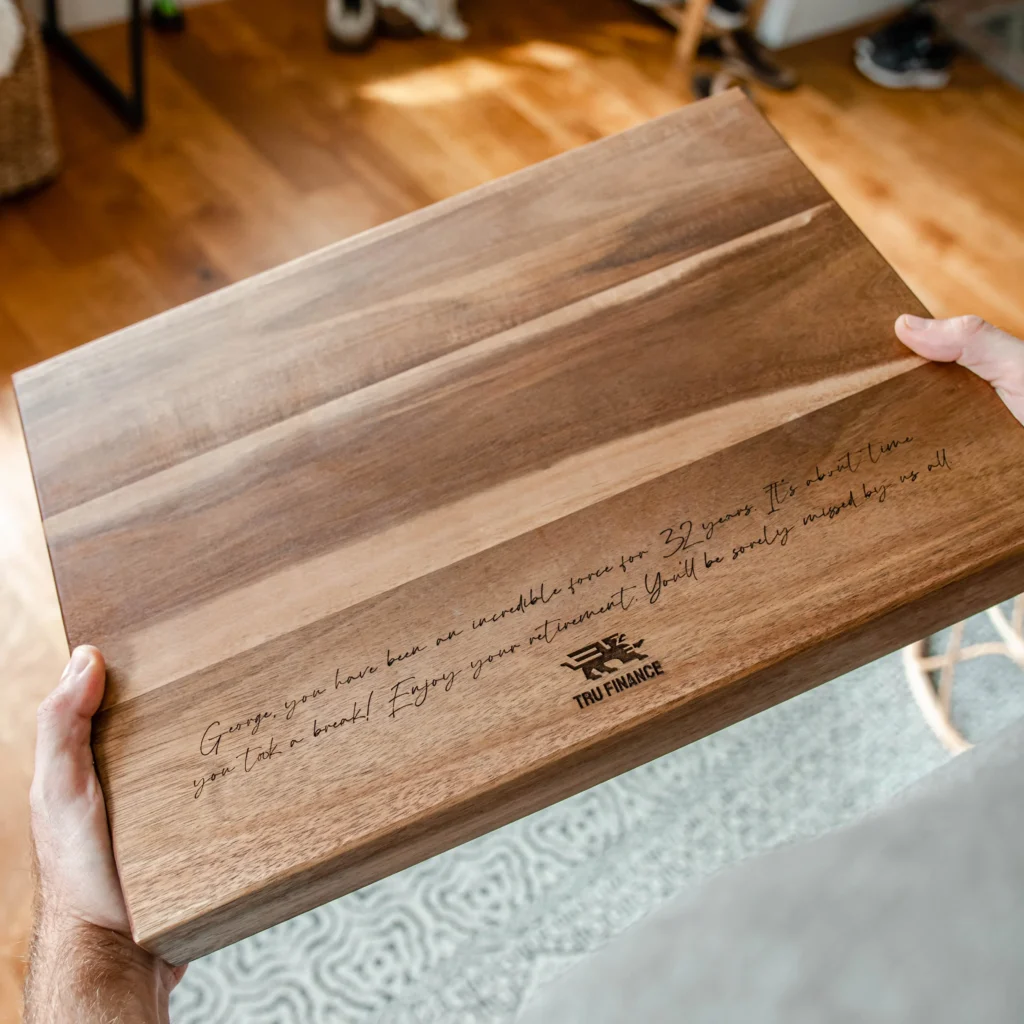
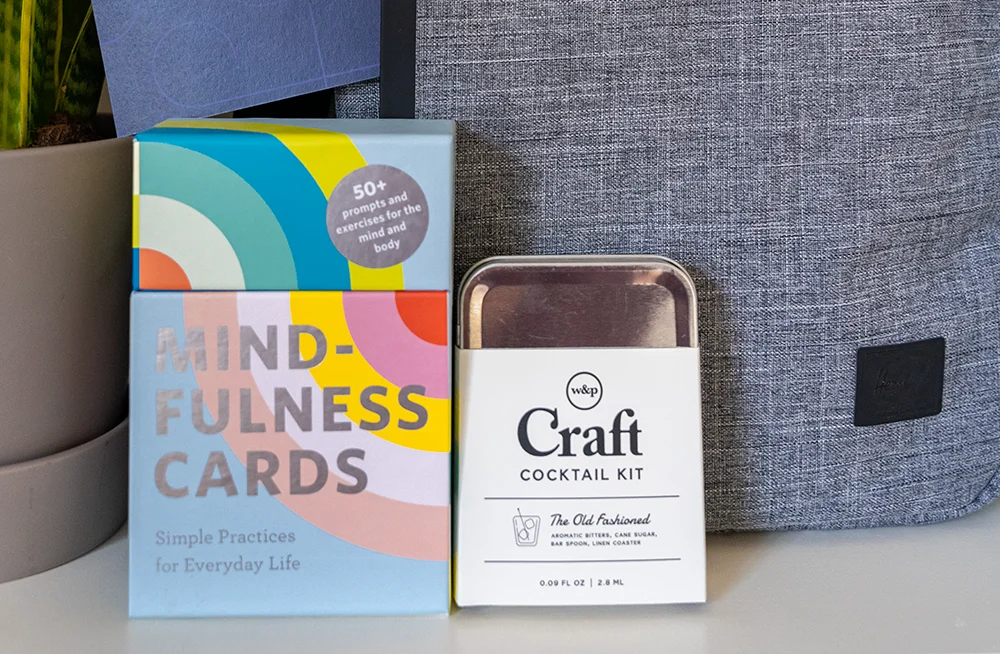
The best holiday gifts we’ve helped source share one trait: you wouldn’t guess they came from a promotional products company. A few categories that consistently work: locally sourced goods from a social enterprise (a business that reinvests its profits into a specific social or environmental mission — think a bakery employing people facing barriers to work, or a workshop training newcomers in a trade); high-end housewares that would sell at retail; board or card games; a puffy blanket in your company’s colours with no logo at all; and a donation to a local charity that connects with your staff.
None of these ask the recipient to do any marketing on your behalf. That’s what makes them gifts, not merchandise.

Is Branded Merchandise Still Okay at the Holiday Party?
Yes — the party is the visibility moment, not the takeaway. A logoed toque handed out at a team event, worn by people who chose to be there, is exactly what branded merchandise is for. The mistake is treating that same item as what someone unwraps at home, where nobody opted into representing your brand. Keep the activation at the event, and let the take-home gift stand on its own.
How Do You Avoid a Gift That Looks Like a Grab Bag?
Treat any multi-item gift the way you’d treat a curated kit, not a clearance shelf. A coherent theme, consistent packaging, and deliberate sourcing turn three unrelated items into one considered gift — the difference is almost entirely in the editing. We’ve previously written about building custom merchandise kits that avoid feeling like leftover inventory. The same discipline applies just as well to a holiday client gift as to a new-hire welcome box.

FAQ
Should a Holiday Gift Ever Carry Our Logo?
Only subtly — a tag, a woven label, a small placement — never a chest-forward print. If the item wouldn’t work without the logo, it’s merchandise, not a gift.
Should We Spend the Same Amount on Clients, Employees, and Partners?
Not necessarily. Align spend with the value and stage of each relationship, instead of defaulting to identical budgets across all three — let the gifting logic drive the number.
Is a Charitable Donation a Good Substitute for a Physical Gift?
Often, yes, especially with B Corps and other purpose-driven clients. A donation to a local charity that connects with your team tends to land better than a generic global cause, because it signals you thought about them specifically.
How Far in Advance Should Holiday Gifting Be Planned?
Earlier than most teams assume. Social-enterprise partners typically run smaller production capacity than large factories, so locking in sourcing and artwork approval should be done by early fall, not late November.
What if Our Budget Only Stretches to Branded Items?
It doesn’t require full logo dominance. One well-made item with minimal branding will outperform three logoed trinkets at the same total cost, every time.
The Takeaway
Branded merchandise and holiday gifting solve different problems, and the moment you use one to solve the other, you get a gift nobody wanted and a marketing impression nobody saw. Twenty years of doing this has taught us that the gifts people actually keep are the ones that ask nothing of them in return.
If your holiday gifting still looks like your Q3 trade show order, it’s worth a conversation before the order deadline.
Contact Fairware to build a gifting program around your actual relationships — not what’s left in the catalogue.
Denise Taschereau
CEO of Fairware, North America’s leading sustainable branded merchandise agency. A recognized leader in sustainable procurement and responsible sourcing, she has spent more than 20 years helping organizations use merchandise to create positive environmental and social impact. Before founding Fairware, Denise was the Director of Sustainability and Community at Mountain Equipment Co-op (MEC). She currently serves on the board of Promotional Products Association International (PPAI) .