
Corporate Gifting for Remote Teams: How Online Company Stores Simplify Fulfillment
November 13, 2026
Shipping branded merchandise to one address is easy. Shipping it to fifty people across a dozen cities is a different job entirely. For remote and hybrid teams, corporate gifting can quickly become a fulfillment project involving sizes, home addresses, inventory and individual tracking numbers.
This guide explains how a centralized company store works, how it compares with managing shipments yourself and what to look for in a partner that can handle both fulfillment and responsible sourcing.
Key takeaways:
- Manual fulfillment becomes harder to manage as shipment frequency, recipient count and delivery locations increase.
- A centralized company store can provide self-serve ordering, inventory tracking, managed reordering and program reporting.
- Whether a company store makes sense depends on how often you ship and how many recipients, teams or locations you manage, not company size alone.
- A strong company-store partner should simplify fulfillment and provide clear evidence for any environmental product claims.
When Corporate Gifting Becomes a Fulfillment Job
You have new hires spread across several cities, and you’re coordinating welcome kits for all of them. Or perhaps you are navigating a client appreciation program with a list that grows every quarter. Either way, someone still has to confirm the products and sizes, collect addresses, coordinate packing and monitor every shipment.
That someone is usually you.
What starts as a thoughtful gesture can quickly compete with the work already on your list. One recipient gets their hoodie in three days. Another is still waiting three weeks later, and you are the person expected to find out why.
Distributed work remains common across North America. In May 2026, more than one in five employed Canadians worked from home at least some of the time, according to Statistics Canada. In the U.S., nearly four in five remote-capable employees worked either hybrid or fully remotely, according to Gallup. For organizations with people across multiple locations, handing everything out at one office may no longer be practical.
Shipping is only one part of the challenge. You also have to decide how much merchandise to keep on hand:
- Order too much and boxes sit unused and tie up the budget.
- Order too little and you may face rush charges or limited product availability.
When both distribution and inventory are managed manually, a recurring, multi-location program becomes much harder to track.
Key takeaway: Manual corporate gifting becomes harder to manage as orders become more frequent and recipients are spread across more locations.


What a Centralized Online Company Store Does
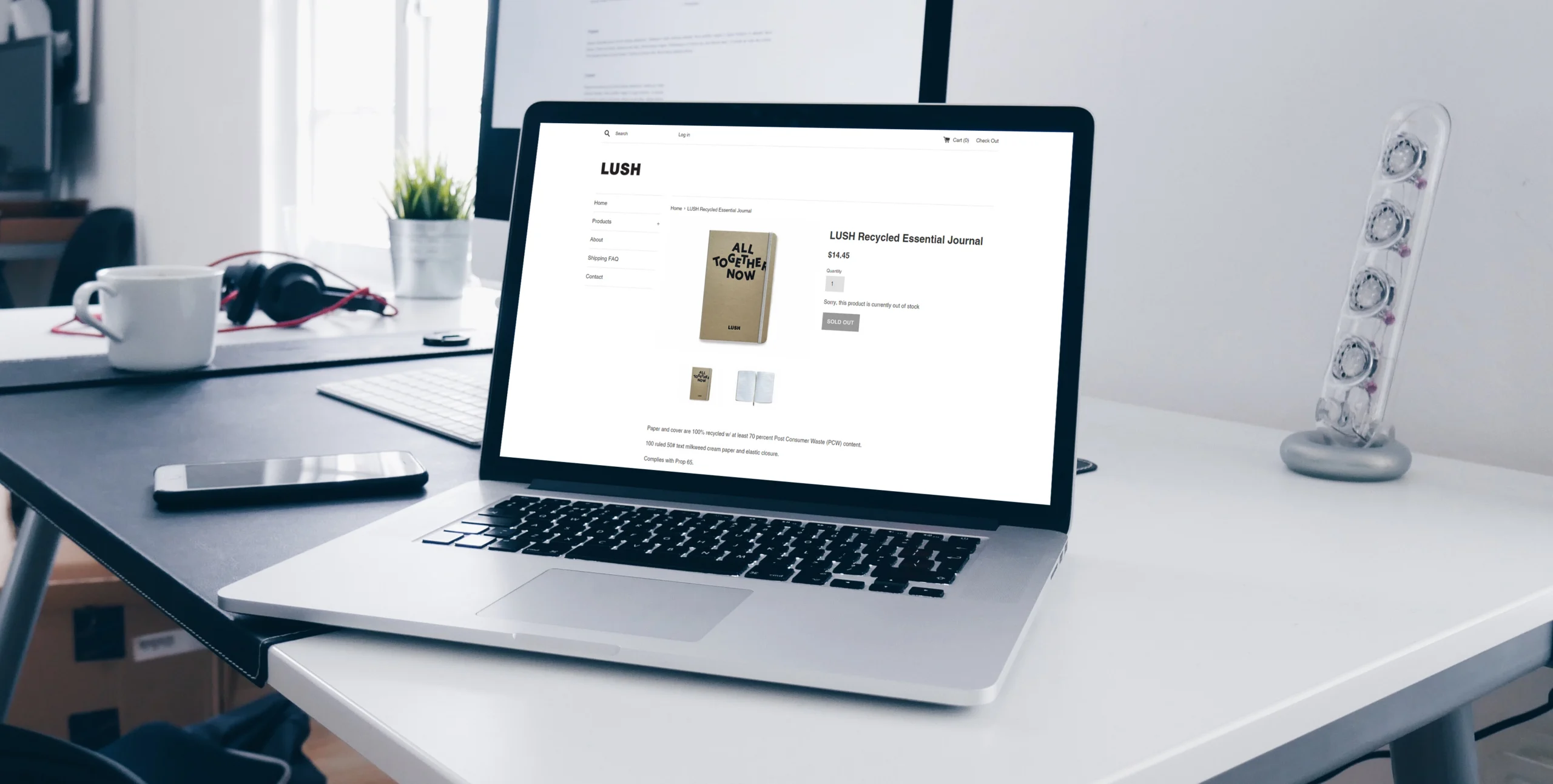
A centralized company store is a private, branded shopping site created for your organization. Employees, clients or partners choose from an approved product collection and enter their own shipping information, removing the need to collect every size and address over email.
Behind the scenes, the store becomes a central place to manage orders and inventory. Depending on how the program is configured, it can include real-time inventory tracking and reporting on what has shipped, what is running low and which products people are choosing. This kind of centralized promotional fulfillment brings ordering, warehousing and shipping together under one system instead of scattering them across emails and spreadsheets.
That information makes it easier to plan future orders, manage budgets and adjust the collection before unused products accumulate.
Key takeaway: A centralized company store brings product selection, individual ordering, inventory management and reporting into one system, reducing the manual coordination behind recurring merchandise programs.
Wondering what a company store could look like for your organization?
Company Stores, Pop-Up Shops and Other Fulfillment Options
Not every organization needs a company store. The right approach depends on who chooses the products and how often you need to send them.
Hand-shipping it yourself can work when you are sending a small number of gifts once or twice a year. It requires little setup, but each additional recipient adds more packing, tracking and follow-up.
Ordering for each event makes sense for a conference, campaign or one-time client gift. Your team chooses the products, places the order and handles distribution.
For a one-time onboarding campaign, event kit or gift drop, Fairware’s Merchandise Kits and Fulfillment service offers a hands-off alternative to setting up an ongoing store.
A pop-up shop works for a limited-time campaign when you want recipients to choose from an approved collection. They can browse and place their orders during a set period, making it an option for holiday gifting or an event.
A centralized company store requires more planning at the beginning. Your team needs to select the products, approve the collection and set the ordering rules. Once the store is live, employees or recipients can place their own orders through the approved system.
If you regularly ship to multiple addresses or manage merchandise for several teams or departments, a company store may significantly reduce administrative work. For one small annual gift drop, a single fulfillment run may be the more practical option.
At Fairware, we have more than a decade of experience building and managing company stores, including active stores for Vancity, UNICEF USA and The Rockefeller Foundation. These ongoing programs support merchandise ordering across departments and locations without requiring one person to coordinate every shipment manually. Organizations building a store can also explore our promotional product lookbooks when selecting products for their collection.
Key takeaway: Manual shipping suits small, occasional orders; one-time fulfillment suits individual campaigns; and a company store is designed for recurring programs with multiple recipients, teams or locations.

Don’t Overlook the Sourcing Behind the Store
Fulfillment is only one part of a branded merchandise program. If the products carry your brand, the claims attached to them should be as carefully managed as the shipping.
Terms such as “eco-friendly” and “sustainable” are too broad to use as product claims without qualification. The FTC in the U.S. and the Competition Bureau in Canada both emphasize that environmental claims must be supportable and should not create a misleading overall impression.
Look for specific evidence. GRS (Global Recycled Standard) verifies recycled content and chain of custody. FSC certification applies to forest-based materials and products. The bluesign certification addresses safer chemistry and responsible textile production. A supplier being certified does not mean every product it sells is covered, so confirm which standard applies to the specific product.
As Fairware’s CEO Denise Taschereau explains in Decoding the 2026 Greenwashing Regulations: A Guide for Sustainable Marketing Compliance: “Stronger sustainability marketing usually starts with stronger supplier documentation, not stronger adjectives.”
Being precise does not mean staying silent about environmental progress. It means communicating what was measured, how much and who verified it so buyers can understand what a claim covers.
Key takeaway: Environmental claims should identify the specific material, action or result and state the measurable evidence or recognized verification that supports it.
What to Look for in a Fulfillment Partner
Once you know a company store fits your program, use a short checklist to compare potential partners.
Can they ship to individual addresses, not just one office? Confirm that the service supports the locations and types of recipients in your program.
Will you have visibility into inventory and orders? Look for reporting that shows stock levels, reorder points, order history and product performance.
Can they substantiate their sourcing and environmental claims? Ask for product-specific details such as material percentages, certifications or supplier documentation.
Will they explain the timeline before the project begins? Make sure the schedule accounts for product sourcing, decoration, store setup and fulfillment.
How is recipient information handled? Ask who can access personal shipping information and how recipient questions or delivery issues are managed.
Is the pricing model clear? Ask what is included in store setup and ongoing management, and whether costs change based on the number of products, store features or fulfillment requirements.
Key takeaway: A fulfillment partner should clearly explain individual shipping, inventory reporting, sourcing documentation, data handling, pricing and timelines before your program begins.
Frequently Asked Questions
What is a company store?
A company store is a private, branded online shop for an organization’s employees, clients or partners. Users choose from an approved product collection and can have their orders shipped directly to their address.
How does a company store simplify corporate gifting for remote teams?
It gives recipients one place to select approved products and enter their own shipping information. The organization can manage inventory, orders and reporting through a centralized system instead of coordinating each shipment manually.
When should a company use one-time fulfillment instead?
One-time fulfillment may be more practical for a single event, campaign or annual gift drop. A company store is generally better suited to recurring programs serving multiple recipients, teams or locations.
What certifications should I look for in branded merchandise?
The relevant certification depends on the claim and product. The Global Recycled Standard (GRS) verifies recycled content and chain of custody, Forest Stewardship Council (FSC) certification applies to forest-based materials and products, and bluesign addresses safer chemistry and responsible textile production. Confirm that the specific product, not only the supplier, is covered.
Conclusion
Corporate gifting for a distributed team does not have to turn one person into the shipping department. A centralized company store can reduce address collection, sizing emails, inventory guesswork and individual shipment tracking while giving your organization better visibility into the program.
It can also bring fulfillment and sourcing information together, making it easier to understand what is being ordered, where it is going and what supports the claims attached to each product.
Fairware Team
Fairware is North America’s leading sustainable branded merchandise agency. A founding Canadian Certified B Corporation, certified women-owned through WBE Canada and LGBTQ+-owned through the Canadian Queer Chamber of Commerce (CQCC), we’ve spent more than 20 years helping purpose-driven organizations create merchandise programs that deliver measurable environmental and social impact. Our team combines expertise in responsible sourcing, supply chain transparency, and sustainable procurement to help organizations make better merchandise decisions. Learn more about Fairware.