
5 Common Mistakes to Avoid When Buying Merch
November 5, 2025
Branded merchandise is a powerful tool. When done right, it can build brand loyalty, motivate employees, and create lasting connections. From corporate gifting programs to employee uniforms, the right merch tells your story without saying a word. However, a few common missteps can turn a promising project into a missed opportunity.
At Fairware, we’ve guided countless clients through the process of creating memorable and effective branded merchandise. We’ve seen what separates exceptional merch from the forgettable swag. This post will walk you through five common mistakes to avoid when buying merch, ensuring your investment makes the impact it deserves.
1. Choosing Quantity Over Quality
A tight budget often tempts businesses to maximize the number of items they can get. The thinking is that more items reach more people. However, this approach usually leads to choosing low-cost, disposable products that fail to make a genuine impression. One thoughtful, high-quality item will always be more memorable and effective than a bag full of cheap giveaways.
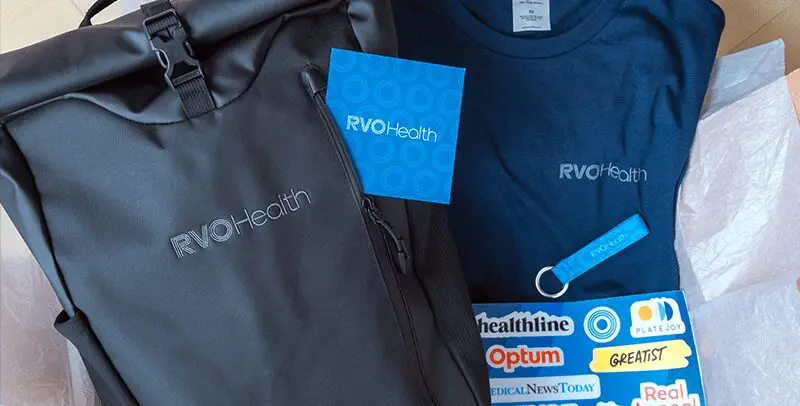
Think about it from the recipient’s perspective. A durable, well-designed backpack or a premium insulated tumbler becomes a part of their daily life. It gets used, seen, and appreciated. In contrast, a flimsy pen or a low-quality t-shirt is often forgotten or discarded quickly, taking your brand’s reputation with it. Investing in quality shows you value the recipient and your own brand identity. Learn more in the eBook The Art of Buying on a Budget.
How to Avoid This Mistake:
- Focus Your Budget: Instead of spreading your funds thin across multiple low-quality items, allocate your budget to one or two high-impact products.
- Think Long-Term Value: Ask yourself, “Is this something I would want to keep and use?” If the answer is no, it’s not the right choice for your branded merchandise.
- Prioritize Functionality: Choose items that solve a problem or fit seamlessly into your audience’s daily life. This approach ensures your marketing budget is spent on merchandise with lasting value.
2. Forgetting the Finer Details
The difference between good merch and great merch is often in the details. A fantastic product can fall flat if the overall experience is underwhelming. Aspects like custom packaging, the unboxing experience, decoration methods, and even the initial product sample can make or break your project.
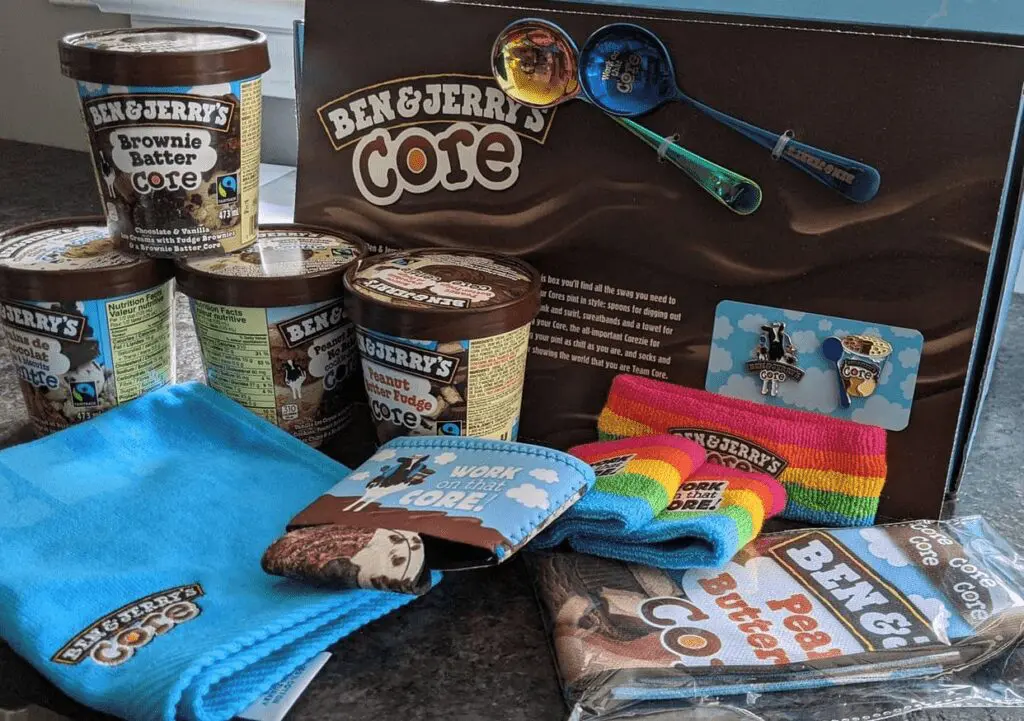
Imagine sending out beautiful employee uniforms that arrive in a plain cardboard box – there are a few ways you can elevate this – a custom sticker to start. And now, imagine those same uniforms arriving in a custom-branded box, neatly folded with a personalized note. The second scenario creates a greater sense of occasion and makes employees feel truly valued. Skipping these final touches is a common mistake that undermines the entire investment. For more on employee gifting, check out the planning eBook The Art of Employee Gifting.
How to Avoid This Mistake:
- Plan the Unboxing: Work with your merch partner to design custom packaging that reflects your brand and enhances the experience of receiving the gift.
- Request a Sample: Always ask for a pre-production sample. This allows you to see and feel the product, check the decoration quality, and make sure it meets your standards before committing to a full order.
- Consider the Decoration: Explore different decoration techniques beyond a simple logo. Embroidery, debossing, or a subtle tonal print can elevate an item and make it feel more like a retail product than a promotional giveaway.
3. Ignoring Your Overall Strategy
Branded merchandise should never exist in a vacuum. It should be a key component of a larger marketing, HR, or sales strategy. Without clear goals, your merch project lacks direction and purpose. Are you trying to welcome new hires, thank loyal clients, or generate leads at a trade show? Each goal requires a different approach to corporate gifting and giveaways.
A strategic approach involves understanding your audience, defining the message you want to send, and building a cohesive collection over time. It means offering meaningful choices, staying current with trends, and ensuring every item serves a purpose. For example, instead of just giving an item, you could offer a choice between a physical product or a donation to a charity, aligning the program with your corporate values. For more on how to make awesome merch kits, check out eBook The Art of Kitting and Merch.
How to Avoid This Mistake:
- Define Your “Why”: Before you start browsing catalogs, clearly outline what you want to achieve with your merch.
- Know Your Audience: Tailor your product choices to the specific group you are targeting. What is useful and appealing to a tech developer might be different from what a sales executive would appreciate.
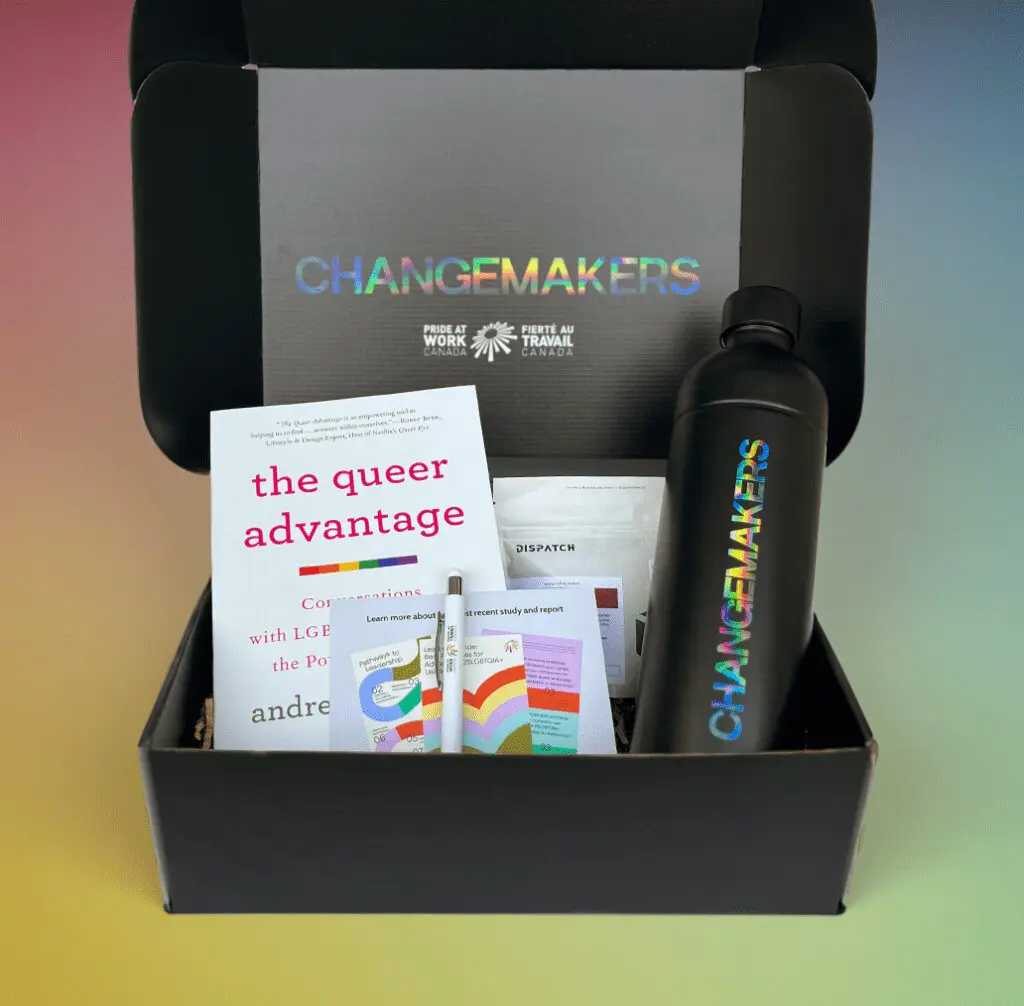
- Build a Collection: Think about how different items can work together. An onboarding kit, for instance, could include a notebook, a high-quality pen, a coffee mug, and a branded hoodie to create a comprehensive welcome experience.
4. Waiting Until the Last Minute
Procrastination is the enemy of great branded merchandise. Rushing the process limits your product options, increases costs with rush shipping, and adds unnecessary stress. Last-minute orders often force you to choose from readily available domestic stock, which may not be the best fit for your brand or budget.
Proper planning allows time for crucial steps like sourcing the perfect item, sampling, production, and shipping. This is especially important for custom-made items, large orders for corporate uniforms, or time-sensitive projects like event giveaways and employee onboarding kits. Giving yourself a buffer of several weeks, or even months for complex projects, ensures a smooth process and a better final product.
How to Avoid This Mistake:
- Create a Timeline: Work backward from your in-hand date. Factor in time for ideation, sourcing, sampling (2-3 weeks), production (3-5 weeks on average), and shipping.
- Engage a Partner Early: Bring your merch partner into the conversation at the beginning of your planning process. They can provide realistic timelines and help you navigate potential supply chain challenges.
- Plan Ahead for Key Events: If you have annual events, holidays, or hiring seasons, start planning your merch needs at least a quarter in advance.

5. Skipping the Foundational Basics
A successful merch project is built on a solid foundation of clear planning and communication. Skipping the basics can lead to delays, budget overruns, and frustration. Before you even start, you need to have a handle on key administrative and logistical details that will keep your project on track.
This includes having a firm budget, all your brand assets ready to go, and a plan for what happens to the merch after it arrives. Do you have a place to store it? Do you need a partner who can manage inventory and re-orders? And importantly, have you considered the product’s end-of-life? Planning for responsible disposal through reuse, upcycling, or recycling ensures your merch program aligns with your company’s values from start to finish.
How to Avoid This Mistake:
- Establish a Clear Budget: Know exactly how much you can spend, including taxes, setup fees, and shipping.
- Prepare Your Assets: Have your logo in a vector format (.AI or .EPS) and know your exact Pantone (PMS) color codes. This is non-negotiable for accurate brand representation.
- Plan for Logistics and End-of-Life: Discuss storage, fulfillment, and re-ordering needs with your partner. Choose products made from sustainable materials and decide what to do with any leftover items.
Create Merch That Matters
Avoiding these five common mistakes will put you on the path to creating branded merchandise that people love and use. It all comes down to being thoughtful, strategic, and proactive. By focusing on quality, paying attention to the details, and planning ahead, you can turn your company merch from a simple giveaway into a meaningful brand statement.
At Fairware, we specialize in helping businesses create standout merch that tells their story and achieves their goals. If you’re ready to build a merch program with impact, we’re here to help.